
Bring your building operations under one point of coordination.
Bigness brings compliance, planned maintenance, repairs, specialist contractors, remedial actions and improvement work together under one managed building service.
Move from separate building tasks to one coordinated operating system.
A building becomes harder to control when compliance, maintenance, repairs, contractors and future improvements are all managed separately.
Managed Building Operations connects the work already happening around the building and gives owners and managing agents a clearer view of what is due, what remains open, what has been completed and what needs attention next.
Reports and deadlines in one place.
Inspections may be completed, but resulting actions can become disconnected from maintenance and remedial work.
Servicing and repairs with another contractor.
Maintenance activity can happen independently without a clear connection to the wider condition and priorities of the building.
Problems being chased individually.
Repair requirements can become separate jobs with no common action system showing what is still open or complete.
Future work without one forward plan.
Refurbishment, replacement and improvement priorities can sit separately from today's maintenance and compliance activity.
Bring the separate activities back into one managed view.
Bigness connects compliance, maintenance, repairs, contractors and future improvement work so the client can see what is due, what is open, what is complete and what comes next.
Trusted relationships built through real work.
For more than two decades, our team has worked with property businesses, commercial organisations, institutions and recognised building-services brands across London.



















Selected examples from our commercial experience across property, building services, institutions and commercial environments in London.
The main building activities brought into one managed view.
Managed Building Operations brings together the recurring activities, open actions and future priorities that normally sit across different contractors, reports and workstreams.
Bigness coordinates these activities so owners and managing agents can see the building as one operational system rather than a collection of separate jobs.
Compliance Coordination
Organise inspections, track dates, review resulting actions and coordinate remedial requirements through to documented closure.
Planned Maintenance
Coordinate routine servicing, preventative maintenance and planned building-system activity around an agreed schedule.
Repairs & Remedial Actions
Track building problems, repair requirements and corrective actions so they are organised, assigned and moved toward completion.
Specialist Contractors
Coordinate the specialist contractors responsible for building systems, inspections, repairs and improvement work.
Building Records & Action Tracking
Maintain clearer visibility over outstanding actions, completion evidence, contractor information and operational building records.
Improvements & Forward Planning
Keep refurbishment, system replacement, retrofit and future improvement priorities visible within the wider building plan.
Compliance, maintenance, repairs, contractors, records and future improvements should support the same building plan — not compete as separate workstreams.
Know what is due, what is open and what needs attention next.
Building information becomes difficult to use when inspections, maintenance activity, contractor updates and future priorities are spread across different reports, emails and suppliers.
Bigness brings the key operational information together so owners and managing agents can see the current position of the building more clearly and make better-informed decisions about what happens next.
Building Condition
Keep known defects, recurring issues and areas requiring attention visible within the wider operational picture.
Outstanding Actions
Maintain visibility over open actions arising from inspections, maintenance activity, repairs and specialist recommendations.
Compliance Dates
Keep upcoming inspections, recurring checks and resulting compliance actions within the same operational view.
Maintenance Requirements
Track planned servicing, preventative maintenance and developing repair requirements before they are forgotten.
Contractor Activity
See what specialists have been instructed, what work is underway and where further action is still required.
Completed Work
Keep completed maintenance, repairs and remedial work connected to the relevant records and supporting evidence.
Future Priorities
Keep planned improvements, replacement requirements and longer-term building priorities visible alongside current activity.
One building. Four questions.
Inspections, servicing, reviews and other scheduled requirements.
Defects, remedials, repairs, quotations and unresolved recommendations.
Completed works, evidence, reports and recorded contractor activity.
Upcoming priorities, planned works and future building improvements.
The value is not simply having more information. It is having one clearer view of the building instead of information fragmented across multiple contractors and separate workstreams.
Three building functions. One coordination layer.
Compliance, maintenance and improvement work perform different functions, but they should not operate as disconnected services.
Managed Building Operations connects all three so findings, repairs, contractor activity and future priorities can support one clearer operational plan for the building.
Compliance identifies.
Inspections, testing and specialist reports identify risks, defects, deadlines and required remedial actions.
Explore Building Compliance →Maintenance preserves.
Planned servicing, preventative maintenance and repairs help keep existing building systems and fabric reliable and operational.
Explore Building Maintenance →Improvements upgrade.
Refurbishment, retrofit, upgrades and replacement programmes improve future condition, performance and reliability.
Explore Building Improvements →Managed Building Operations coordinates the whole cycle.
Bigness connects the separate activities around the building so compliance findings can become actions, maintenance can remain planned, contractors can be coordinated and future improvements can remain visible within the same operational view.
One point of coordination across the specialist supply chain.
Buildings depend on multiple specialist contractors, but the client should not have to coordinate every requirement, quotation, visit and outstanding action separately.
Bigness helps organise the specialist supply chain around the needs of the building, providing one clearer coordination point from the initial requirement through to completed work and supporting records.
The specialist remains responsible for their technical work. Bigness keeps the wider process organised.
Identify the Right Specialist
Determine the type of competence or technical contractor required for the building issue or planned activity.
Define the Requirement
Clarify what needs to be inspected, repaired, maintained, investigated or improved before approaching the contractor.
Obtain Quotations
Coordinate quotations around a clearer requirement so the client can understand the proposed work and associated cost.
Coordinate Access
Organise practical access requirements between the building, occupants, managing agent and specialist contractor.
Arrange the Programme
Coordinate timing, sequencing and dependencies around the agreed work or specialist visit.
Monitor Progress
Maintain visibility over instructed work, contractor updates, delays and any further requirements identified during delivery.
Track Completion
Follow the agreed activity through to completion rather than allowing open actions to disappear between contractors.
Collect Records & Evidence
Bring relevant reports, certificates, completion information and contractor records back into the building record.
The client does not need another contractor directory. They need someone to organise who is required, what needs doing, what is still open and whether the work has actually been completed.
Turn reports, defects and recommendations into managed actions.
Identifying a problem is only the beginning. Building control depends on making sure the resulting action is recorded, assigned, coordinated, completed and properly closed.
Bigness helps convert inspection findings, maintenance defects, contractor recommendations and future building requirements into one clearer action-management process.
Identify
Capture the issue, defect, recommendation or future requirement that needs attention.
Record
Add the requirement to the building action system with the relevant information and source.
Assign
Establish who needs to take the next action and what responsibility sits with each party.
Coordinate
Organise quotations, specialists, access, programme and other practical requirements around the action.
Track
Maintain visibility over progress, delays, contractor updates and outstanding dependencies.
Complete
Move the agreed repair, remedial activity, inspection or other building requirement through to completion.
Verify
Confirm that the agreed activity has been completed and collect the appropriate supporting information.
Close
Update the building record so the action is clearly closed or moved into the next appropriate stage.
Different sources. One action-management process.
The value is not in creating another list of problems. It is in making sure each action has a clear next step and remains visible until it is properly completed or closed.
Nothing should disappear between the report and the completed work.
Building issues often begin with an inspection, report, defect or contractor recommendation. The real operational challenge is making sure the resulting action is carried through to completion.
Bigness helps connect the stages between identification and closure so the client can see what has been agreed, who is responsible, what has been completed and what still needs attention.
Issue Identified
A defect, recommendation, maintenance problem or compliance action is identified and brought into the building record.
Priority Established
The issue is considered in context so the client can understand whether it requires immediate, near-term or planned action.
Scope Defined
The requirement is clarified so the appropriate contractor or specialist understands what needs to be investigated or delivered.
Specialist Coordinated
Quotations, access, programme and specialist input are organised around the agreed requirement.
Work Delivered
The approved inspection, repair, remedial activity or improvement is coordinated through delivery.
Completion Checked
The agreed activity is reviewed against the intended requirement and any remaining actions are identified.
Evidence Recorded
Relevant reports, certificates, completion information and other supporting records are brought back into the building file.
Next Action Identified
The action is either closed or moved into the next appropriate maintenance, compliance or improvement stage.
A report should lead to an action. An action should lead to delivery. Delivery should lead to evidence, closure and a clear next step.
Keep the operational record of the building organised.
Building control becomes harder when reports, maintenance records, contractor information and completion evidence are spread across different inboxes, folders and suppliers.
Bigness helps keep the key operational records connected to the activity they relate to, giving owners and managing agents clearer visibility over what has been completed and what still requires action.
Building Records
Keep important operational information about the building organised and easier to reference over time.
Compliance Calendars
Maintain visibility over recurring inspections, scheduled checks and upcoming compliance-related dates.
Maintenance Schedules
Keep routine servicing and planned preventative maintenance connected to an agreed building schedule.
Action Registers
Record outstanding remedials, repairs, recommendations and future requirements so open actions remain visible.
Contractor Information
Keep relevant specialist, quotation, instruction and contractor activity connected to the building record.
Document Control
Organise reports, certificates, contractor documents and other operational records so they can be found when required.
Completion Evidence
Keep evidence of completed inspections, repairs, remedial works and other building activity connected to the relevant action.
Reporting
Give the client a clearer view of current activity, completed actions, outstanding requirements and developing priorities.
Report the building position, not just individual jobs.
Operational reporting should help the client understand the current state of the building, the actions being managed and what requires attention next.
What has been finished and recorded.
What remains open or requires follow-up.
What inspections, maintenance or actions are due next.
What should move into future repair or improvement programmes.
Better building control depends on knowing not only what needs doing, but what has already been done.
A recurring coordination service, not another isolated project.
Managed Building Operations creates an ongoing rhythm around the building so compliance, maintenance, contractors and future priorities are reviewed and coordinated rather than dealt with only when something becomes urgent.
The exact scope can be agreed around the building, but the principle remains the same: review the current position, plan what needs doing, coordinate delivery, track actions, report progress and keep improving the forward plan.
Review
Review building condition, open actions, upcoming requirements and recent contractor activity.
Plan
Establish priorities, upcoming maintenance, compliance activity and any remedial or improvement work that needs preparation.
Coordinate
Organise specialists, quotations, access, programme and approved building activity around the agreed priorities.
Track
Maintain visibility over actions, contractor progress, outstanding requirements and approaching deadlines.
Report
Give the client a clearer view of completed work, open actions, upcoming requirements and developing priorities.
Improve
Feed completed activity and new information back into the building plan so the next cycle starts from a better position.
The service can be built around the operational needs of the building.
Ongoing coordination and oversight.
Covers the agreed coordination layer such as planning, action tracking, administration, contractor coordination and reporting within the managed service scope.
Physical and specialist delivery.
Inspections, servicing, repairs, materials, remedial works and improvement projects are priced separately when required and approved.
Review the building. Plan what comes next. Coordinate the right people. Track the actions. Report the position. Improve the plan.
Manage today’s building without losing sight of what comes next.
Good building management is not only about responding to what is urgent today. It also means keeping upcoming requirements, planned works and longer-term priorities visible.
Bigness helps owners and managing agents organise building activity across different time horizons so immediate actions can be addressed without losing sight of future maintenance and investment needs.
Urgent and outstanding actions.
Issues requiring immediate attention, unresolved actions, active defects and other priorities that should not reasonably wait.
Upcoming compliance and maintenance.
Scheduled inspections, servicing, planned maintenance and other operational requirements approaching in the near term.
Known remedial and improvement works.
Repairs, replacements, refurbishment and other works that are known, but can be scoped, budgeted and coordinated before delivery.
Lifecycle upgrades and investment priorities.
Longer-term building needs that should remain visible as part of future asset planning and improvement decisions.
Keep the next decision visible before it becomes the next emergency.
Open actions, active defects and immediate operational priorities.
Upcoming inspections, servicing, maintenance and known deadlines.
Remedial works, replacement requirements and planned improvements.
Lifecycle upgrades, future investment and developing priorities.
Managed Building Operations should help the client deal with today while maintaining a clearer view of tomorrow.
When the building has become harder to coordinate than it should be.
Managed Building Operations becomes useful when the problem is no longer one isolated repair or inspection, but the growing complexity of coordinating the building as a whole.
Bigness helps bring separate contractors, open actions, maintenance requirements, compliance activity and future priorities into one clearer operational structure.
Too many separate contractors
Different specialists are working around the building, but no one is coordinating the wider picture.
Compliance actions are difficult to track
Inspections are taking place, but resulting actions, deadlines and remedials are difficult to follow through to closure.
Maintenance remains reactive
The building is repeatedly responding to problems rather than working from a clearer planned maintenance programme.
Reports create actions but nobody owns closure
Recommendations are identified, but responsibility for coordinating the next step is unclear or fragmented.
Building records are fragmented
Reports, certificates, maintenance records and contractor information are spread across different systems, folders and inboxes.
Recurring faults keep returning
The same building issues repeatedly generate repairs without a wider view of the underlying maintenance or improvement need.
Future improvements need coordination
Several refurbishment, replacement, retrofit or improvement requirements need to be prioritised and planned together.
You need one clearer operational view
The managing agent or owner needs better visibility over what is due, open, complete and coming next across the building.
You want ongoing support, not repeated one-off jobs
The building needs a continuing coordination relationship rather than starting again every time a new issue appears.
When the challenge becomes coordinating the building rather than solving one isolated problem, it may be time for a managed service.
Clear coordination without pretending to replace every specialist.
Managed Building Operations gives the client one point of coordination, but it does not transfer every technical or statutory responsibility to Bigness.
Bigness manages the agreed coordination layer around the building, while competent specialists remain responsible for the professional, regulated and technical work within their own disciplines.
Organise, coordinate and maintain visibility over building activity.
Organise building activity across compliance, maintenance, repairs and improvement work.
Manage schedules, recurring requirements and building action registers.
Coordinate specialist contractors and the practical activity required around their work.
Define and coordinate operational scopes for approved repairs, remedials and other building work.
Obtain and organise quotations around a clearer requirement for the client.
Coordinate access, programme and practical dependencies between the client, building and specialist contractor.
Track progress, outstanding actions and completion across the agreed managed scope.
Maintain relevant building records, completion evidence and contractor information.
Report the building position, current activity and developing priorities to the client.
Organise approved repair and improvement work through the appropriate delivery specialists.
Professional judgement, regulated work and formal technical sign-off.
Regulated specialist work requiring defined competence, registration or accreditation.
Statutory inspections and formal inspection conclusions within the relevant discipline.
Engineering design, calculations and professional engineering judgement.
Specialist design work undertaken by appropriately qualified designers or consultants.
Professional certificates, regulated documentation and other formal certification.
Specialist technical verification and formal sign-off within their professional or regulated responsibility.
Managed Building Operations is not comprehensive Total FM.
Bigness provides a structured building coordination and control layer. We are not positioning the service as an FM call centre or as a replacement for every operational, technical and professional function around the property.
Bigness coordinates the building activity we agree to manage. Competent specialists remain responsible for the specialist technical work they provide.
Managed building operations in practice.
Explore Bigness projects where compliance, maintenance, repairs, specialist contractors and building improvements have been coordinated as part of a wider building relationship.
Each project shows how separate building activities can be brought into one clearer operational process with better visibility over actions, contractors, completion and what needs to happen next.
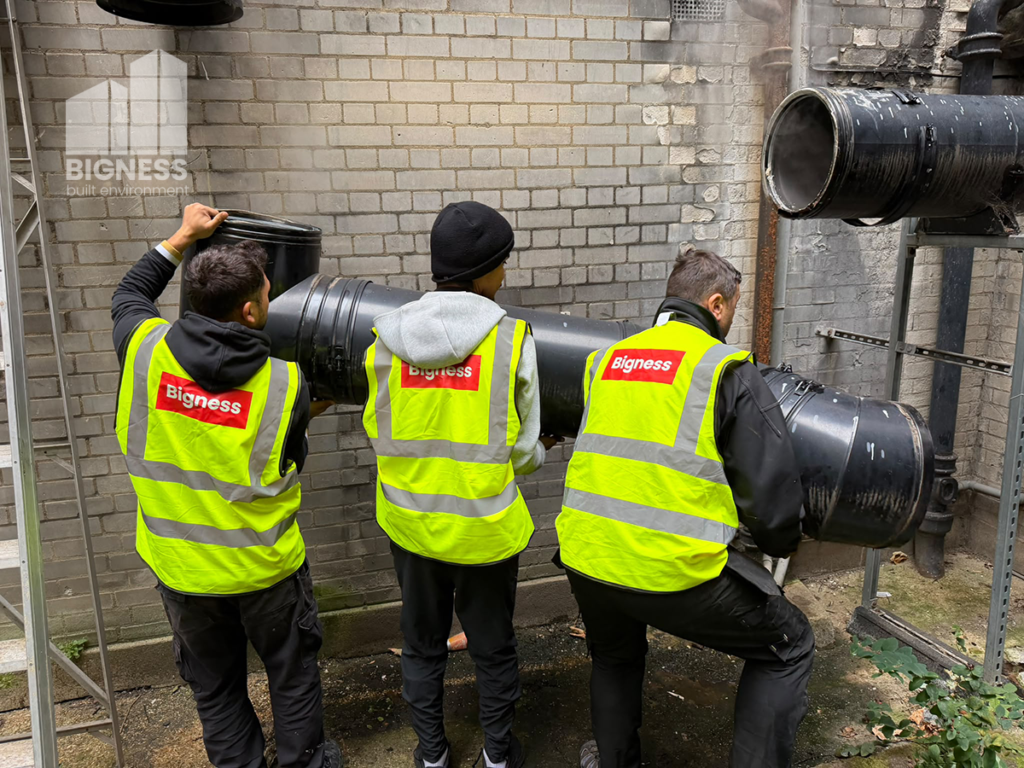


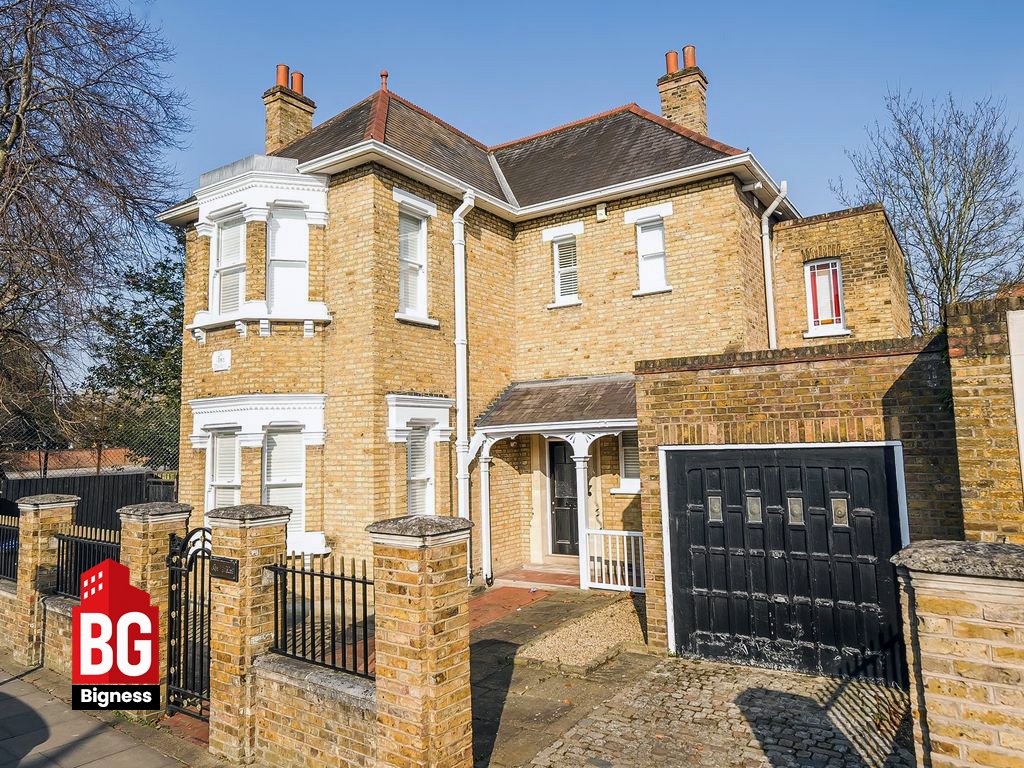



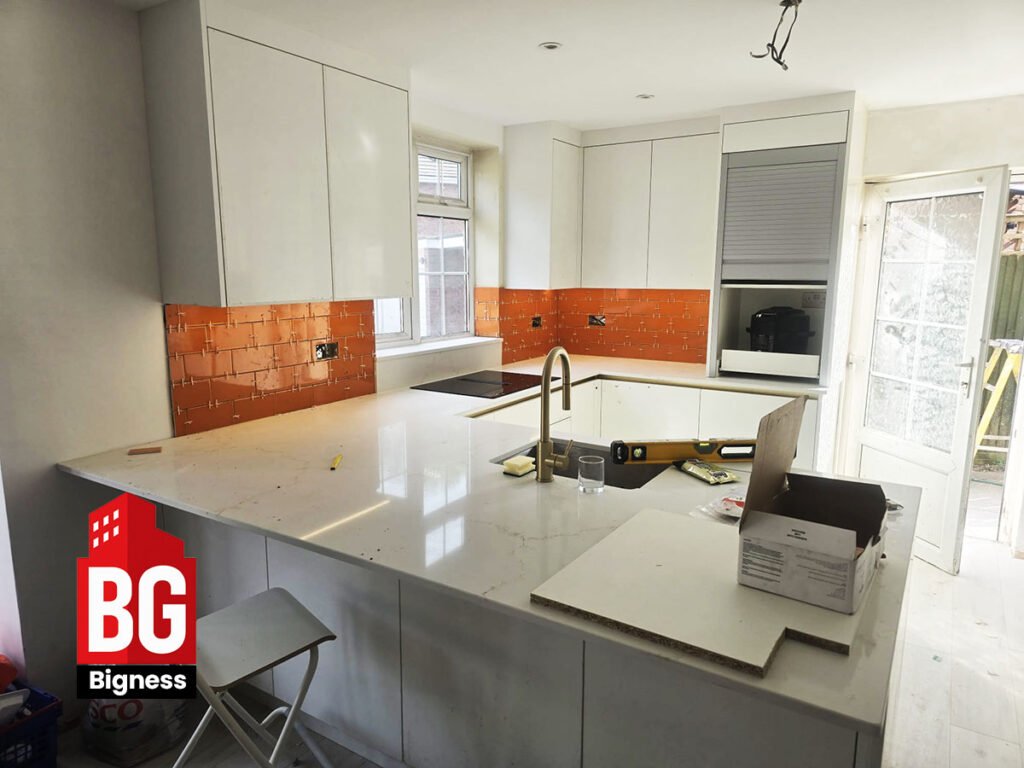
Managed Building Operations across London.
Bigness provides Managed Building Operations for property owners, managing agents and other building stakeholders across London.
We help coordinate compliance, planned maintenance, repairs, specialist contractors, remedial actions and future improvement work through one clearer operational system.
Practical thinking for better-managed buildings.
Guidance, technical insight and practical perspectives on compliance, maintenance, building performance and long-term improvement.




Bring your building operations under better control.
If compliance, maintenance, contractors and improvement work are being managed separately, Bigness can bring them into one clearer operational system with ongoing coordination, action tracking and reporting.
One point of coordination for compliance, maintenance, contractors, remedial actions, building records and future priorities.