
Keep maintenance planned, repairs controlled and building systems reliable.
Bigness Built Environment helps property owners and managing agents organise routine maintenance, coordinate repairs and manage the specialist contractors responsible for keeping buildings operating reliably.
Good maintenance is more than responding when something breaks.
Building maintenance means knowing what needs attention, how often systems should be serviced, which repairs remain outstanding and what should be planned before reliability becomes a problem.
For property owners and managing agents, the challenge is usually not finding one contractor. It is keeping the full maintenance picture visible across systems, repairs, servicing and specialist attendance.
Planned maintenance keeps routine work visible before it becomes an urgent problem.
Know what needs maintaining
Understand the building systems, fabric and equipment that require routine attention.
Know when servicing is due
Keep recurring servicing and maintenance requirements visible before they are missed.
Watch for declining reliability
Identify systems or components that are beginning to fail repeatedly or require increasing attention.
Track outstanding repairs
Keep open repairs visible until the agreed work has been completed.
Coordinate the right specialist
Arrange the appropriate technical contractor for each system or maintenance issue.
Record what was completed
Keep service records, repair history and completion evidence organised.
Plan what comes next
Use maintenance history and current condition to identify future servicing, repair or replacement priorities.
Bigness brings routine maintenance, repairs and specialist contractors into one coordinated maintenance process.
Trusted relationships built through real work.
For more than two decades, our team has worked with property businesses, commercial organisations, institutions and recognised building-services brands across London.



















Selected examples from our commercial experience across property, building services, institutions and commercial environments in London.
The moving parts of building maintenance, brought into one process.
Bigness helps organise planned maintenance, routine servicing, repairs and specialist contractor activity so the building has a clearer and more controlled maintenance programme.
Planned Preventive Maintenance
Recurring maintenance organised around building systems, equipment and known maintenance requirements.
Routine Servicing
Scheduled servicing for plant, equipment and technical systems to help maintain reliability and performance.
Reactive Repairs
Building problems that require investigation, contractor attendance and an organised route through to repair.
Specialist Contractors
Coordination of the competent technical resource required for each building system or maintenance issue.
Maintenance Schedules
A clearer programme showing what requires attention, when work should happen and what needs to be planned next.
Outstanding Repairs
Open repair requirements remain visible until the agreed work has been completed and recorded.
Contractor Attendance & Access
Site attendance, access requirements and practical coordination organised around the building and its occupants.
Completion Records
Completed works, contractor evidence and any remaining actions are kept organised as part of the building record.
Bigness keeps planned maintenance, repairs and specialist contractor activity visible within one coordinated process.
Plan the work before the building forces the decision.
Planned preventive maintenance helps keep recurring servicing, routine checks and known maintenance requirements visible before they become urgent.
Bigness helps property owners and managing agents organise maintenance around the actual systems, equipment and lifecycle needs of the building.
The objective is not to eliminate every failure. It is to reduce avoidable ones and make maintenance easier to plan.
Recurring Servicing
Routine servicing organised around the building systems, equipment and manufacturer or operational requirements.
Scheduled Checks
Regular checks planned in advance so routine requirements remain visible and properly coordinated.
Planned Component Maintenance
Maintenance activity organised before deterioration or repeated failure creates a larger operational problem.
Lifecycle Requirements
Known maintenance, repair and replacement requirements considered in the context of equipment age and building condition.
Recurring Contractor Visits
Specialist attendance scheduled and coordinated around the recurring needs of the building.
Seasonal Preparation
Maintenance activity planned around seasonal demands such as heating readiness, weather exposure and increased system use.
Future Repair & Replacement
Emerging repair and replacement requirements identified early enough to support better planning and budgeting.
A maintenance programme should help the building team see what needs attention now, what is coming next and what can be planned before failure becomes urgent.
When something fails, move from problem to resolution quickly and clearly.
Reactive maintenance will always be part of managing a building. The important thing is having a clear process for understanding the problem, coordinating the right specialist and following the repair through to completion.
Identify
Understand what has happened, where the problem is occurring and how it is affecting the building.
Investigate
Review available information and arrange further technical investigation where the cause is not yet clear.
Scope
Define the work required so the repair can be properly understood, priced and instructed.
Coordinate
Arrange the appropriate specialist, access, timing and any dependencies required for the work.
Repair
The agreed repair or remedial work is carried out by the appropriate technical contractor.
Verify
Confirm that the instructed work has been completed and obtain any required supporting evidence.
Record
Update the maintenance record with what was completed and identify any remaining or future actions.
Start with the problem. We will help organise the right response.
You do not need to know which trade or specialist is required before contacting Bigness.
Technical capability across the systems and fabric your building depends on.
Building maintenance can involve several technical disciplines. Bigness coordinates the appropriate specialists across building systems, building fabric and other technical requirements.
Plumbing
Water services, leaks, pipework, valves and associated maintenance and repair requirements.
Heating
Boilers, communal heating, hot-water plant, controls, servicing and remedial works.
Electrical
Electrical installations, faults, lighting, distribution and associated maintenance requirements.
HVAC & Ventilation
Heating, cooling, ventilation, air-conditioning systems, controls and servicing.
Drainage
Internal and external drainage problems, blockages, defects and associated remedial works.
Roofing
Roof defects, water ingress, planned maintenance, repairs and replacement requirements.
Building Fabric
External and internal building elements, deterioration, defects and planned fabric maintenance.
Architectural Glazing
Windows, doors, curtain walling and specialist glazing maintenance, repair and replacement.
Additional technical support where the building requires it.
Need to understand our wider technical capability?
Explore the building systems, fabric, improvement works and specialist coordination capabilities available through Bigness.
One building can depend on many contractors. Somebody still has to coordinate them.
Heating, electrical, plumbing, HVAC, roofing and other specialist contractors may each be responsible for their own technical work. The building still needs one coordinated view across all of them.
One Point of Coordination
We organise the maintenance process around the specialists required, keeping responsibilities, access, progress and outstanding actions visible.
The Required Specialist
Identify and coordinate the appropriate technical contractor for the system or maintenance requirement.
Scope of Work
Clarify what needs to be inspected, maintained, repaired or replaced before the work is instructed.
Quotations
Organise quotations around a clearer scope so the client can make a more informed decision.
Access
Coordinate access requirements for plant rooms, common areas, building systems and other relevant locations.
Scheduling
Arrange contractor attendance around the needs of the building, client and other planned activity.
Dependencies
Identify where one contractor, system or work package depends on another before progress can continue.
Contractor Attendance
Keep specialist visits and agreed work visible within the wider maintenance programme.
Progress
Track what has been instructed, what is underway and what still needs to happen.
Completion Evidence
Collect the appropriate contractor records, reports and supporting evidence after the work is completed.
Outstanding Actions
Keep remaining defects, follow-up requirements and future actions visible until they are resolved.
The client should not have to reconstruct the maintenance picture from five different contractors, ten email threads and separate reports.
A clear route from maintenance issue to documented completion.
Maintenance problems become harder to manage when the issue, the contractor and the completion evidence are treated as separate tasks. Bigness keeps the process connected from first identification through to recorded completion.
Identify
Understand the maintenance requirement, fault or condition that needs attention.
Prioritise
Determine the urgency, operational impact and appropriate order in which the issue should be addressed.
Scope
Clarify the work required so the repair, servicing or maintenance activity can be properly instructed.
Assign
Coordinate the appropriate specialist contractor and organise access, timing and any relevant dependencies.
Deliver
The agreed repair, servicing or maintenance work is carried out by the appropriate technical resource.
Check
Confirm that the instructed work has been completed and identify any remaining or follow-up requirements.
Record
Update the maintenance record with what was completed, supporting evidence and any future actions.
Every issue should have a clear status: identified, assigned, in progress, completed or still requiring action.
Know what was done, what remains open and what is coming next.
Good maintenance depends on visibility. Property owners and managing agents should be able to see what has been serviced, what has been repaired, what remains outstanding and what is likely to need attention next.
Bigness helps organise maintenance information so the building team is not relying on fragmented emails, individual contractor records or memory to understand the maintenance position.
The objective is not simply to store documents. It is to maintain a usable operational history of the building.
Maintenance Schedules
Keep recurring maintenance activity visible within a clear forward programme.
Service Dates
Record when equipment, plant and building systems were serviced and when attention is next due.
Repair History
Maintain visibility over previous faults, repairs and recurring maintenance problems.
Quotations
Keep quotations and work proposals connected to the relevant maintenance issue or planned activity.
Contractor Attendance
Record specialist visits, work completed and relevant contractor information.
Open Defects
Keep unresolved faults, defects and maintenance actions visible until they have been properly addressed.
Completion Records
Maintain evidence of completed work, including supporting contractor records where relevant.
Warranties
Keep warranty information associated with repaired, replaced or newly installed equipment where applicable.
Future Maintenance Requirements
Record known servicing, repair and maintenance needs that should be planned into future activity.
Planned Replacement Priorities
Identify systems or components that may require future replacement rather than repeated repair.
A clearer maintenance record helps the building team understand what has happened, what remains unresolved and what should be planned next.
When maintenance starts becoming reactive, fragmented or difficult to control.
Building maintenance becomes harder to manage when repairs, servicing and contractor activity are spread across different people, systems and records.
Bigness can help when the building needs a clearer maintenance programme, stronger contractor coordination or better visibility over what remains outstanding.
Maintenance is mostly reactive
Work is usually organised only after something has failed, rather than through a planned maintenance programme.
Several contractors are involved
Different specialists maintain different systems without one coordinated view of the overall maintenance position.
Servicing dates are difficult to track
Recurring servicing and planned maintenance requirements are difficult to see clearly or manage consistently.
Repairs keep returning
The same faults or maintenance issues continue to reappear despite previous repairs or contractor visits.
Outstanding works are unclear
Repairs have been identified or instructed, but their current status and completion evidence are not easy to confirm.
Too much time is spent chasing suppliers
Managing agents or owners are spending significant time arranging attendance, following up quotations and chasing contractor progress.
The building has communal plant or several technical systems
Heating, hot water, HVAC, electrical or other shared systems require coordinated specialist maintenance.
Maintenance records are fragmented
Service records, quotations, repair history and contractor information are spread across different emails and files.
There is no clear forward maintenance programme
The building team cannot easily see what should be serviced, repaired or replaced over the coming months.
The problem is often not finding a contractor. It is maintaining control across all of them.
Maintenance sits between what the building needs now and what it will need next.
Building compliance, maintenance and improvement work are closely connected. Inspections often identify actions, maintenance preserves reliability, and repeated failures can indicate that a larger upgrade is required.
Compliance identifies.
Inspections, testing and specialist reports can reveal defects, maintenance requirements and remedial actions that need attention.
Maintenance preserves.
Routine servicing, repairs and planned maintenance help keep building systems reliable and existing assets performing properly.
Improvements upgrade.
Repeated failures, ageing systems or changing building needs can indicate that repair is no longer the best long-term solution.
One coordinated service can bring the whole cycle together.
Bigness can coordinate compliance activity, planned maintenance, specialist contractors, remedial actions and future improvement requirements within one wider building-management process.
What Bigness does — and what remains with the specialist contractor.
One point of coordination does not mean replacing the technical specialists responsible for maintaining individual building systems.
Bigness takes responsibility for organising and coordinating the maintenance activities within our agreed scope, while specialist technical work, regulated activities and formal certification remain with the appropriately competent contractor or professional.
Plan, coordinate and control the maintenance process.
Plan routine and recurring maintenance activity around the needs of the building.
Coordinate repairs and remedial works from identification through to completion.
Source and coordinate appropriate specialist contractors for building systems and maintenance requirements.
Organise contractor attendance, access, scheduling and practical dependencies.
Track instructed work, open repairs and outstanding maintenance actions.
Maintain action registers and keep unresolved issues visible.
Collect completion evidence and relevant contractor records after work is completed.
Report progress, completed activity and remaining priorities to the client.
Specialist technical work and professional responsibility.
Technical work within their specific trade, discipline or professional competence.
Statutory certificates and formal technical documentation where these are required.
Regulated work requiring specific registration, accreditation or professional competence.
Technical inspection, testing and diagnostic conclusions within their specialist discipline.
Technical design, calculations or specialist recommendations where professional expertise is required.
Formal technical verification and sign-off outside Bigness competence or contractual mandate.
Compliance with the technical standards and professional obligations that apply to their own work.
The accuracy and quality of the specialist technical output they provide.
Bigness takes responsibility for the maintenance process we agree to organise and deliver. Specialist contractors remain responsible for their specialist technical work.
Move from individual repairs to an ongoing maintenance programme.
Building maintenance becomes easier to control when servicing, repairs, contractors and future requirements are managed as one continuous programme rather than a series of disconnected jobs.
Bigness can provide ongoing maintenance coordination for property owners and managing agents, keeping routine activity, open repairs and future priorities visible throughout the year.
The objective is simple: fewer surprises, clearer responsibilities and better visibility over what the building needs next.
Rolling Maintenance Schedule
Maintain a forward view of routine maintenance, servicing and known building requirements.
PPM Coordination
Organise planned preventive maintenance around building systems, equipment and recurring requirements.
Specialist Contractor Management
Coordinate the different technical contractors required to keep the building operating reliably.
Routine Servicing
Schedule recurring servicing and keep contractor attendance and supporting records organised.
Open Repair Tracking
Keep outstanding repairs visible from identification through to completion and documented closure.
Periodic Building Reviews
Review maintenance activity, recurring problems and changing building priorities at appropriate intervals.
Maintenance Reporting
Provide clearer visibility over completed activity, outstanding work and upcoming requirements.
Future Repair & Replacement Planning
Identify developing repair and replacement requirements before they become urgent operational problems.
Put your building maintenance under one point of coordination.
Bigness can coordinate planned maintenance, routine servicing, repairs and specialist contractors as an ongoing managed service.
Building maintenance in practice.
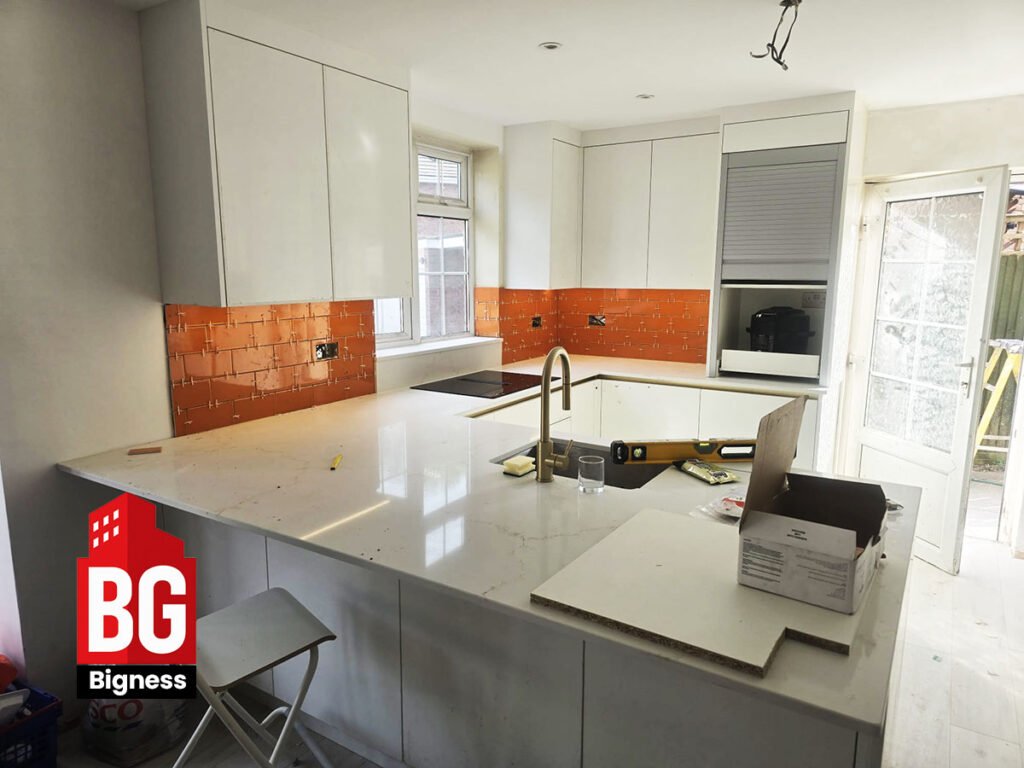
Explore recent Bigness projects covering planned maintenance, repairs, specialist contractor coordination and building-system work across London.
Each project shows how maintenance issues are investigated, organised and moved through to completion with clearer control over contractors, actions and building records.
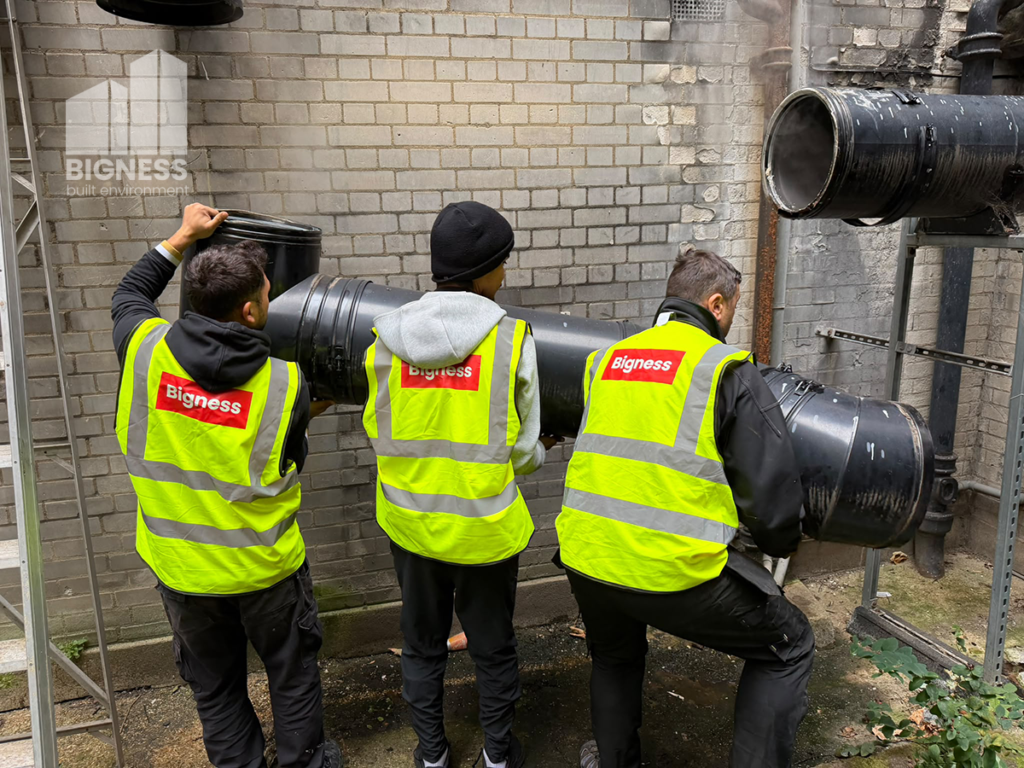


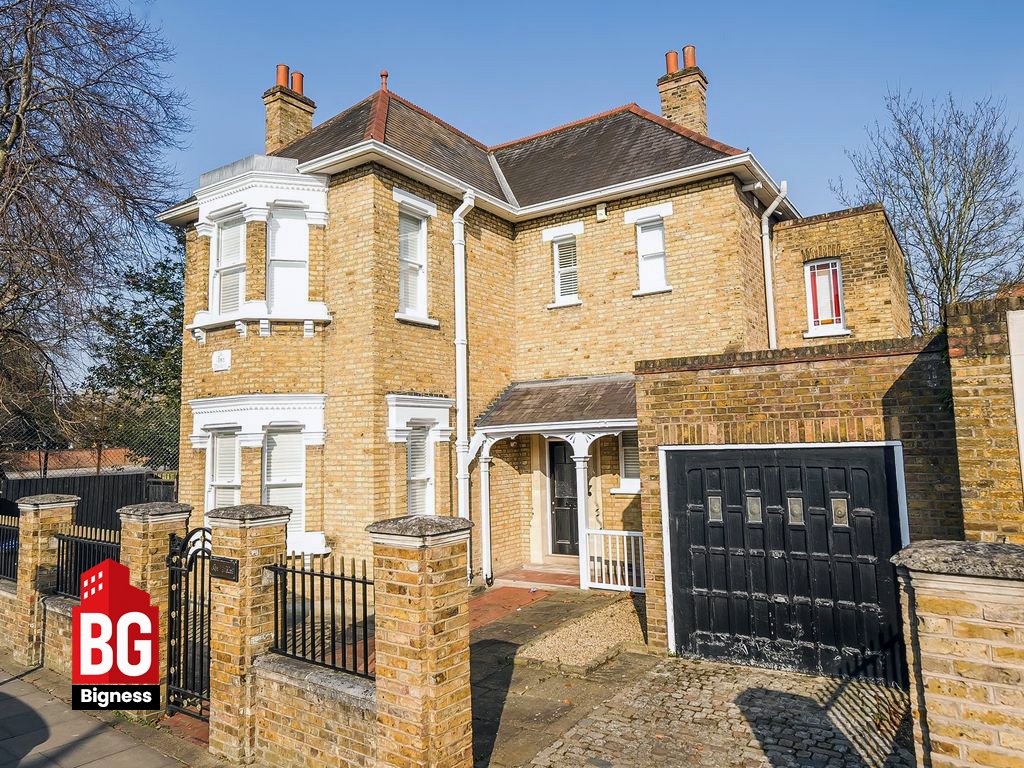


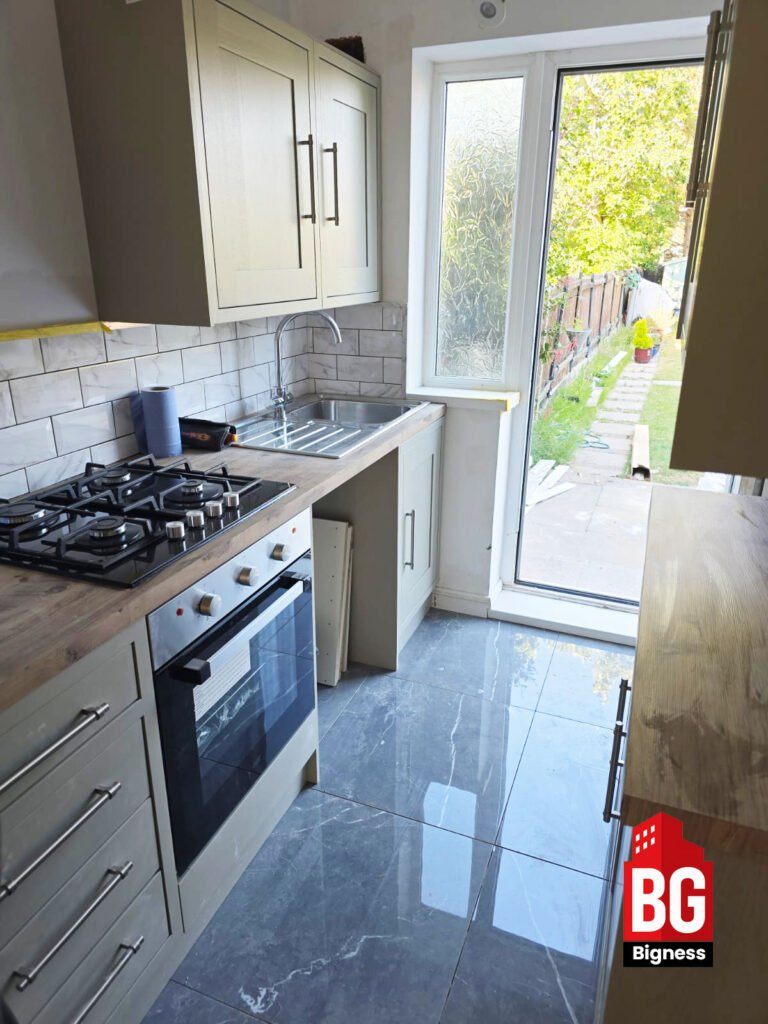
Building maintenance across London.
Bigness provides planned and reactive building maintenance for property owners and managing agents across London.
From routine servicing and preventative maintenance to repairs, specialist contractor coordination and ongoing building support, explore the boroughs we cover below.
Practical thinking for better-managed buildings.
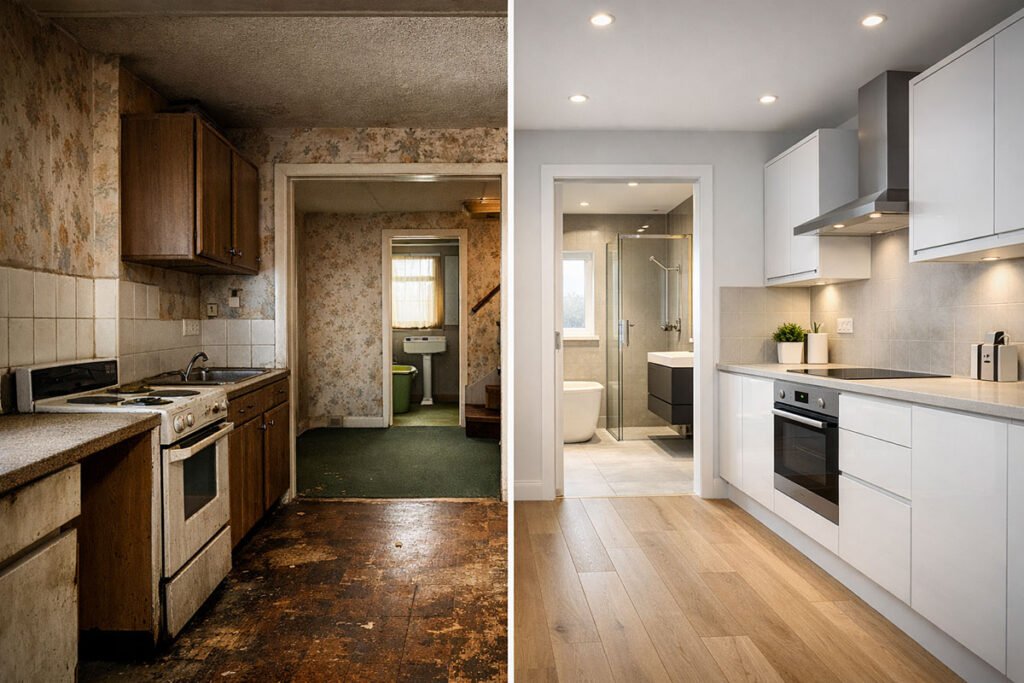
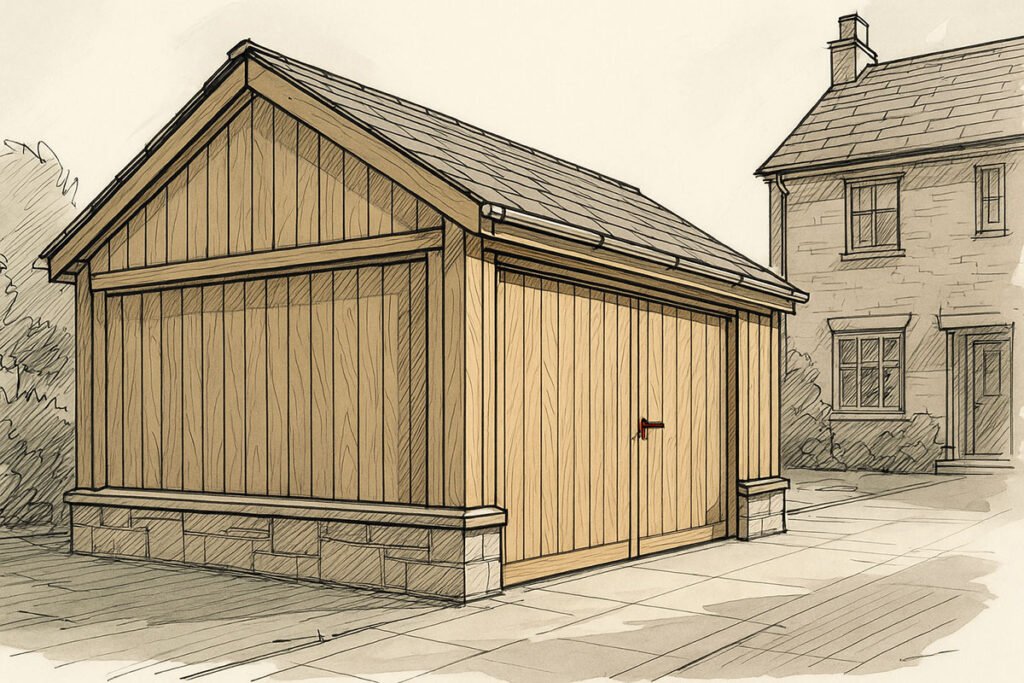
Guidance, technical insight and practical perspectives on compliance, maintenance, building performance and long-term improvement.




Bring your building maintenance under better control.
Whether you need to organise planned maintenance, resolve recurring problems or coordinate several specialist contractors, Bigness can help create a clearer maintenance process for the building.
One point of coordination for planned maintenance, repairs, servicing and specialist contractors.