
Improve building condition, performance and long-term value.
Bigness Built Environment plans and coordinates refurbishment, upgrades, retrofit, building-fabric improvements and replacement programmes for property owners and managing agents.
Improvement starts with understanding what the building actually needs.
Building improvement is not simply about making a property look newer. It is about deciding when repair is enough, when refurbishment is justified and when a system, component or part of the building should be upgraded, replaced or improved.
Bigness helps property owners and managing agents understand the difference between short-term repair and longer-term improvement, so investment can be directed where it creates the most practical value for the building.
Sometimes a defect should be repaired. Sometimes repeated repairs are the clearest sign that something should be improved or replaced.
Repair
Restore a component or system where the underlying asset remains suitable and repair is still the sensible response.
Refurbishment
Renew existing spaces, finishes or building elements to improve condition, function and usability.
Upgrade
Improve an existing system, component or space where better performance or reliability can be achieved.
Replacement
Replace ageing, unreliable or obsolete assets where continued repair is no longer the best long-term decision.
Retrofit
Introduce measures that improve energy performance, comfort, efficiency or the way the existing building operates.
Performance Improvement
Improve reliability, durability, efficiency or usability rather than treating each recurring problem in isolation.
Bigness helps turn building problems and improvement opportunities into clearer priorities, defined work and coordinated delivery.
Trusted relationships built through real work.
For more than two decades, our team has worked with property businesses, commercial organisations, institutions and recognised building-services brands across London.
















Selected examples from our commercial experience across property, building services, institutions and commercial environments in London.
Improvement work focused on condition, performance and future needs.
Bigness helps property owners and managing agents plan and coordinate improvement work across building fabric, technical systems, internal spaces and wider performance requirements.
The objective is not simply to modernise the building. It is to identify where refurbishment, upgrade, replacement or retrofit can create a better long-term outcome.
Refurbishment
Renew existing spaces, finishes and building elements to improve condition, usability and appearance.
Building Fabric
Improve roofs, walls, façades, glazing and other elements that protect the building and influence long-term durability.
Building-System Upgrades
Improve ageing or underperforming heating, electrical, HVAC, controls and other technical building systems.
Energy Efficiency
Improve energy performance through better systems, controls, insulation and other appropriate measures.
Retrofit
Coordinate improvement measures designed around the existing building, its performance and future requirements.
Common Areas
Improve entrances, corridors, shared spaces and communal areas that affect building condition and occupant experience.
Ageing Systems
Identify where recurring repair or declining reliability indicates that upgrade or replacement should be considered.
Planned Capital Works
Coordinate larger improvement programmes that require clearer scopes, phased delivery and specialist contractor involvement.
Bigness helps turn improvement opportunities into defined priorities, coordinated work and a clearer forward plan for the building.
Upgrade what no longer performs as it should.
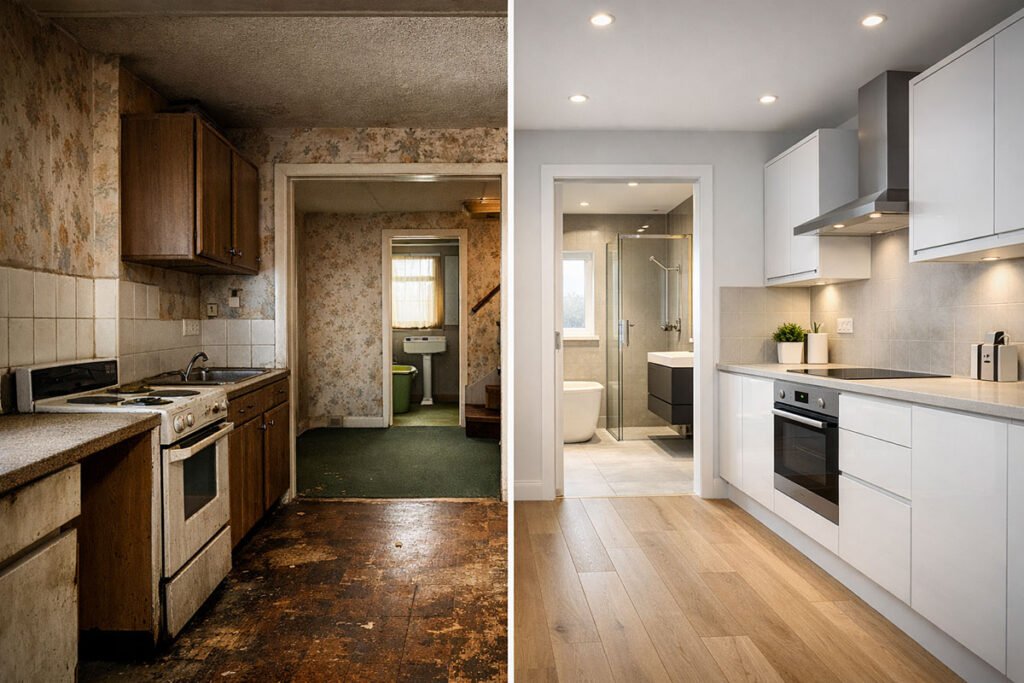
Refurbishment can improve condition, function and usability without treating the building as a completely new project.
Bigness helps property owners and managing agents define the areas that need improvement, organise the required specialists and coordinate refurbishment and upgrade works through to completion.
Improvement work can range from targeted upgrades to larger refurbishment programmes involving several technical disciplines.
Common Areas
Entrances, corridors, shared spaces and communal areas improved around condition, durability and occupant use.
Internal Spaces
Existing spaces refurbished or reconfigured to improve condition, function and the way the building is used.
Finishes
Planned renewal of flooring, walls, ceilings, decoration, joinery and other internal finishes.
Workspace Improvements
Offices and operational spaces upgraded around usability, layout, services and future requirements.
Reconfiguration
Layout changes and partitioning coordinated where existing spaces no longer meet operational needs.
Residential Refurbishment
Planned refurbishment and modernisation of houses, flats and residential building spaces.
Commercial Refurbishment
Offices, retail, hospitality and other commercial environments upgraded around condition and operational requirements.
Planned Modernisation
Existing spaces and building elements upgraded as part of a wider planned improvement programme.
Improve performance without treating energy as a separate problem.
Energy performance depends on how building fabric, heating, ventilation, controls and occupant needs work together.
Bigness helps property owners and managing agents identify and coordinate retrofit measures that can improve efficiency, comfort, durability and the long-term performance of existing buildings.
The objective is not to install isolated technologies. It is to improve the way the building performs as a whole.
Energy-Efficiency Improvements
Identify practical measures that can reduce unnecessary energy demand and improve building performance.
Insulation & Fabric Performance
Improve walls, roofs, floors, glazing and other parts of the envelope where thermal performance can be strengthened.
HVAC Efficiency
Review heating, cooling and ventilation systems where ageing equipment or inefficient operation creates unnecessary cost.
Controls & Smart Systems
Improve the way building systems are monitored and controlled through appropriate automation, sensors and smarter controls.
Retrofit Measures
Coordinate appropriate improvements around the existing building rather than treating retrofit as a new-build exercise.
Building Comfort
Consider temperature, ventilation, drafts and other performance issues that affect how the building feels and operates.
Durability & Operational Efficiency
Improvement decisions should support reliable operation, maintainability and sensible long-term asset performance.
Improve the parts of the building that protect everything inside it.
Roofs, walls, façades, windows, doors and glazing form the physical envelope that protects the building from weather, deterioration and unnecessary energy loss.
Bigness helps property owners and managing agents identify and coordinate building-fabric improvements around condition, durability, weather protection and long-term performance.
Building-fabric improvements should solve the underlying condition or performance problem — not simply cover the visible symptom.
Roofing
Repair, replacement and planned roofing improvements where condition, water ingress or performance requires intervention.
External Building Fabric
Improve external walls, finishes and other fabric elements affected by deterioration, exposure or recurring defects.
Façades
Coordinate façade repair, restoration and improvement work where appearance, integrity or weather protection is affected.
Architectural Glazing
Upgrade windows, doors, curtain walling and specialist glazing systems around condition, security and building performance.
Windows & Doors
Repair or replace ageing openings where reliability, weather resistance, thermal performance or security can be improved.
Water Ingress
Investigate recurring water penetration and coordinate improvement work around the underlying source.
Durability & Weather Protection
Improve building elements where exposure and deterioration are reducing service life or increasing maintenance demand.
Envelope Performance
Consider how roofing, walls, glazing and openings work together to protect the building and support better overall performance.
Sometimes repeated repair is no longer the best decision.
Building systems and components eventually reach a point where continued repair becomes less practical than planned replacement.
Bigness helps property owners and managing agents recognise when an ageing or unreliable asset should move from repeated maintenance into a structured replacement programme.
Repair
Continue repairing while the system remains reliable, supportable and commercially sensible to maintain.
Monitor
Track failures, maintenance frequency, operating issues and developing performance problems.
Plan
Define replacement priorities, likely scope, specialist requirements and the appropriate timing for investment.
Replace
Coordinate the agreed replacement work and move the building toward a more reliable long-term operating position.
Signs that repair may no longer be the best long-term response.
Ageing Equipment
Equipment is approaching or has exceeded its practical service life.
Recurring Failures
The same system repeatedly requires repair or emergency attention.
Obsolete Components
Parts, controls or support are becoming difficult to source or maintain.
Poor Efficiency
Existing equipment performs inefficiently compared with more suitable alternatives.
High Maintenance Burden
Maintenance effort and repair costs are increasing without improving reliability.
Operational Risk
Failure could create significant disruption, downtime or wider building problems.
The objective is not to replace equipment unnecessarily. It is to know when continued repair has stopped being the better building decision.
A clear route from improvement need to completed work.
Improvement projects are easier to control when condition, priorities, scope, procurement and delivery are treated as one connected process.
Bigness helps move building improvements from the initial need or opportunity through to coordinated delivery, completion evidence and an updated building record.
Identify
Understand the building issue, improvement opportunity or future requirement that needs attention.
Assess
Review condition, performance, available reports and relevant building information before deciding the response.
Prioritise
Determine what matters most based on condition, risk, reliability, performance, cost and future building needs.
Scope
Define the improvement work clearly enough for contractors, specialists and the client to understand what is required.
Procure
Coordinate suitable contractors, specialist input and quotations around the agreed improvement scope.
Deliver
Coordinate the agreed work through execution, including access, sequencing and practical dependencies.
Verify
Confirm that the agreed work has been completed and obtain the appropriate supporting evidence.
Record
Update the building record with completed work, relevant evidence and any remaining or future improvement priorities.
The objective is not simply to complete a project. It is to make sure the right improvement is defined, coordinated, delivered and recorded.
Not every improvement has to happen at once.
Building improvement programmes are easier to manage when work is prioritised and phased according to condition, risk, performance and available budget.
Bigness helps property owners and managing agents separate what needs attention now from what can be planned over the coming months or years.
Address what cannot reasonably wait.
Work driven by significant condition issues, operational risk, active failure or another requirement that needs prompt action.
Plan the next priority before it becomes urgent.
Improvement work that should be prepared and delivered within the foreseeable maintenance or capital programme.
Coordinate improvements into a structured programme.
Known upgrades, refurbishment or replacement work that can be scoped, budgeted and scheduled in advance.
Keep longer-term needs visible.
Emerging improvement requirements that may not need immediate investment but should remain part of the building’s forward plan.
Different buildings require different investment decisions.
The objective is to help the client distinguish between what is urgent, what should be planned next and what can remain part of a longer-term improvement programme.
When repair alone is no longer the best long-term answer.
Building improvements become relevant when recurring faults, ageing systems or deteriorating condition begin to affect reliability, performance or the long-term value of the asset.
Bigness can help when the building needs a clearer decision about what should be repaired, upgraded, refurbished, replaced or planned into a wider improvement programme.
Repairs keep recurring
The same faults or defects continue to return despite previous repair or maintenance activity.
Systems are ageing
Building systems or equipment are approaching the point where upgrade or replacement should be considered.
Building condition is deteriorating
Fabric, finishes or building elements are declining and require more than routine maintenance.
Plant is inefficient
Heating, HVAC, controls or other technical systems are operating inefficiently or creating unnecessary maintenance demand.
Building fabric needs significant work
Roofing, façades, glazing, walls or other envelope elements require a coordinated repair or improvement programme.
Refurbishment is planned
Internal spaces, common areas or operational environments need to be renewed, modernised or reconfigured.
Capital expenditure needs prioritising
Several improvement requirements exist and the client needs a clearer order of priority and phased programme.
Retrofit opportunities have been identified
The building has opportunities to improve energy performance, comfort, controls or overall operational efficiency.
You want to improve the asset before major failure
Known weaknesses can be addressed in a planned way before deterioration creates a more urgent and expensive problem.
The question is not always “How do we repair this?” Sometimes it is “What should we improve so we stop repairing it?”
Building improvement works best when it connects to what came before it.
Compliance, maintenance and improvement work should not operate as separate activities. Each stage can reveal information that affects what the building needs next.
Bigness helps connect these stages so inspection findings, maintenance history and improvement priorities can support better building decisions.
Compliance identifies risk.
Inspections, testing and specialist reports can identify defects, required actions and areas where the building needs attention.
Maintenance preserves.
Routine servicing, planned maintenance and repairs help maintain the reliability and condition of existing systems and building elements.
Improvements upgrade.
Where maintenance is no longer enough, refurbishment, replacement or retrofit can improve future condition, performance and reliability.
One coordinated service can bring the whole building cycle together.
Bigness can coordinate compliance, maintenance, specialist contractors, remedial actions and future improvement programmes within one wider operational view of the building.
What Bigness does — and what remains with the competent specialist.
One point of coordination does not mean replacing the professionals responsible for specialist design, regulated work or formal technical sign-off.
Bigness takes responsibility for organising and coordinating the improvement activities within our agreed scope, while specialist technical duties remain with the appropriately competent contractor or professional.
Define, coordinate and control the improvement process.
Assess operational improvement needs and help establish what requires attention.
Define and coordinate scopes for refurbishment, upgrades, retrofit and replacement work.
Procure appropriate specialist contractors and technical resources for the agreed work.
Obtain and compare quotations around a clearer and more consistent scope.
Coordinate programme, access, sequencing and practical dependencies around delivery.
Track delivery, progress and outstanding actions through the agreed improvement programme.
Manage completion evidence and relevant contractor records once work is completed.
Report progress, completed activity and remaining priorities to the client.
Specialist design, technical judgement and formal sign-off.
Specialist design within regulated or professional disciplines.
Statutory certificates and formal technical documentation where these are required.
Regulated technical work requiring specific competence, registration or accreditation.
Engineering calculations and technical conclusions within their professional discipline.
Professional opinions where specialist judgement or formal professional reliance is required.
Formal technical verification and sign-off outside Bigness competence or contractual mandate.
Bigness coordinates the improvement process we agree to deliver. Specialist professionals remain responsible for the specialist technical output they provide.
Move from isolated upgrades to a planned improvement programme.
Buildings often have several improvement needs developing at the same time — refurbishment, ageing systems, retrofit opportunities, fabric works and future capital projects.
Bigness helps bring those requirements into one forward programme, allowing property owners and managing agents to prioritise, phase and coordinate improvement work over time.
The objective is to create a clearer improvement pipeline rather than treating every project as an isolated decision.
Planned Works
Organise known improvement requirements into a forward programme rather than waiting for them to become urgent.
Refurbishment
Coordinate refurbishment requirements across spaces, common areas, finishes and wider building elements.
Lifecycle Upgrades
Plan upgrades around asset condition, reliability and expected future building needs.
Retrofit
Coordinate retrofit measures as part of the wider building improvement strategy rather than as disconnected projects.
Energy Improvements
Plan energy-performance improvements around building fabric, systems, controls and operational requirements.
Capital Works
Coordinate larger planned works requiring defined scopes, procurement, programme control and specialist contractors.
System Replacement
Bring replacement of ageing or unreliable building systems into the wider forward improvement plan.
Phased Delivery
Sequence improvement work according to priorities, dependencies, available budget and practical delivery constraints.
Keep future improvement work visible, prioritised and coordinated.
Bigness can bring planned works, refurbishment, retrofit and system replacement into the wider management of the building.
Building improvements in practice.
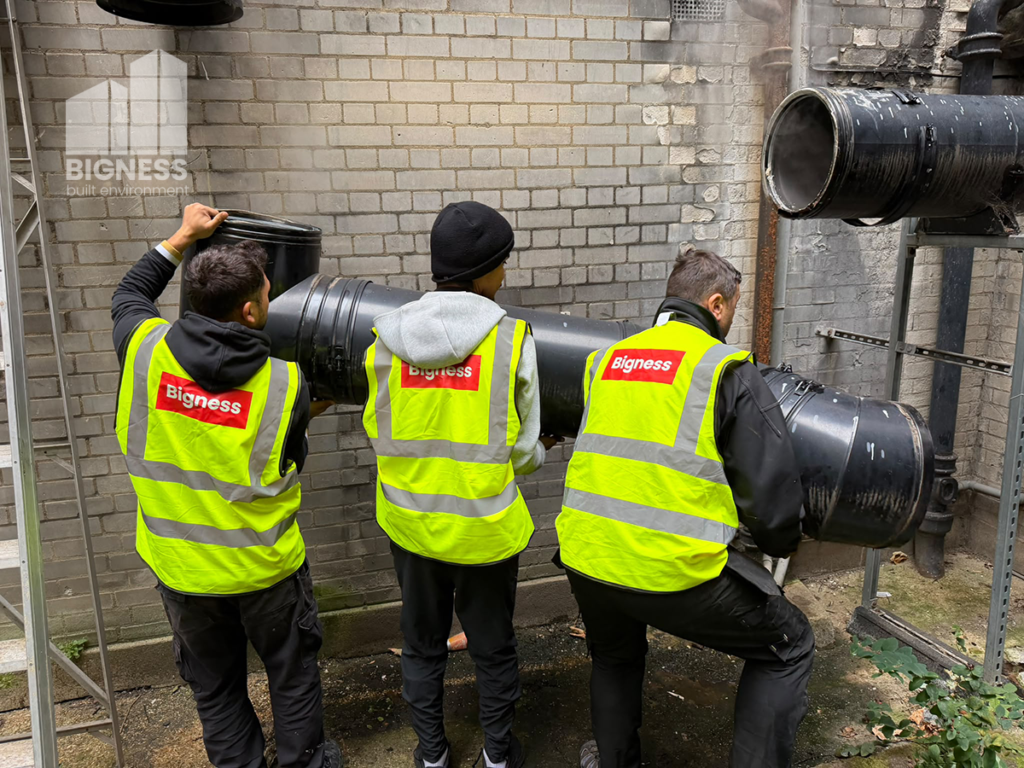
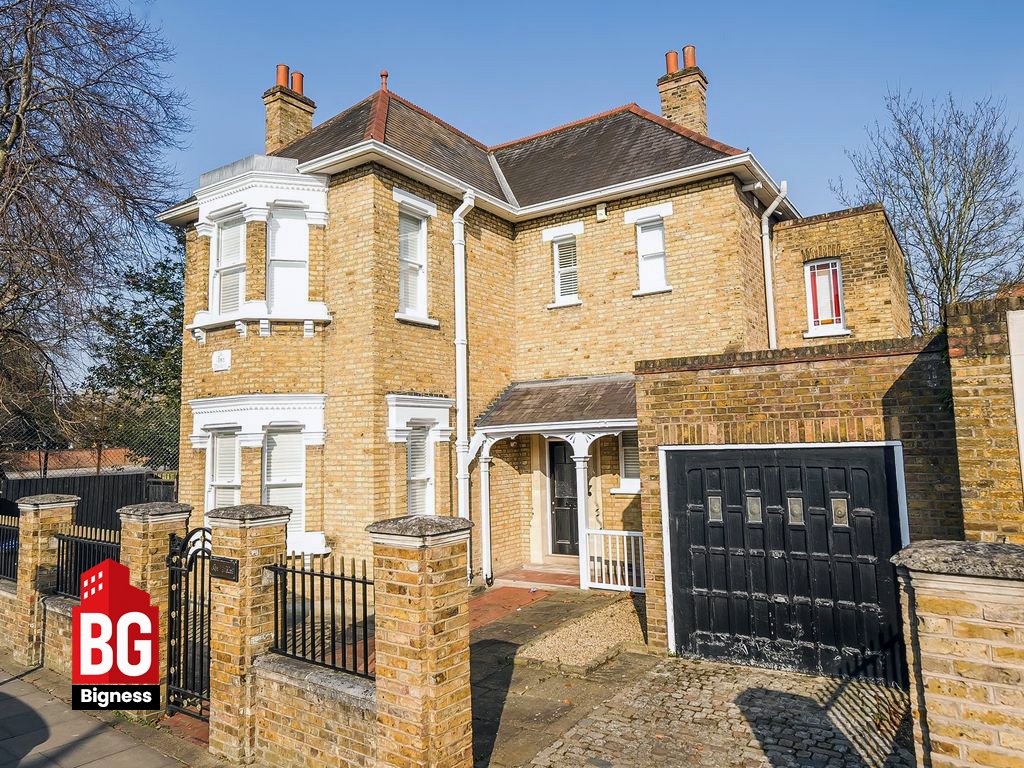
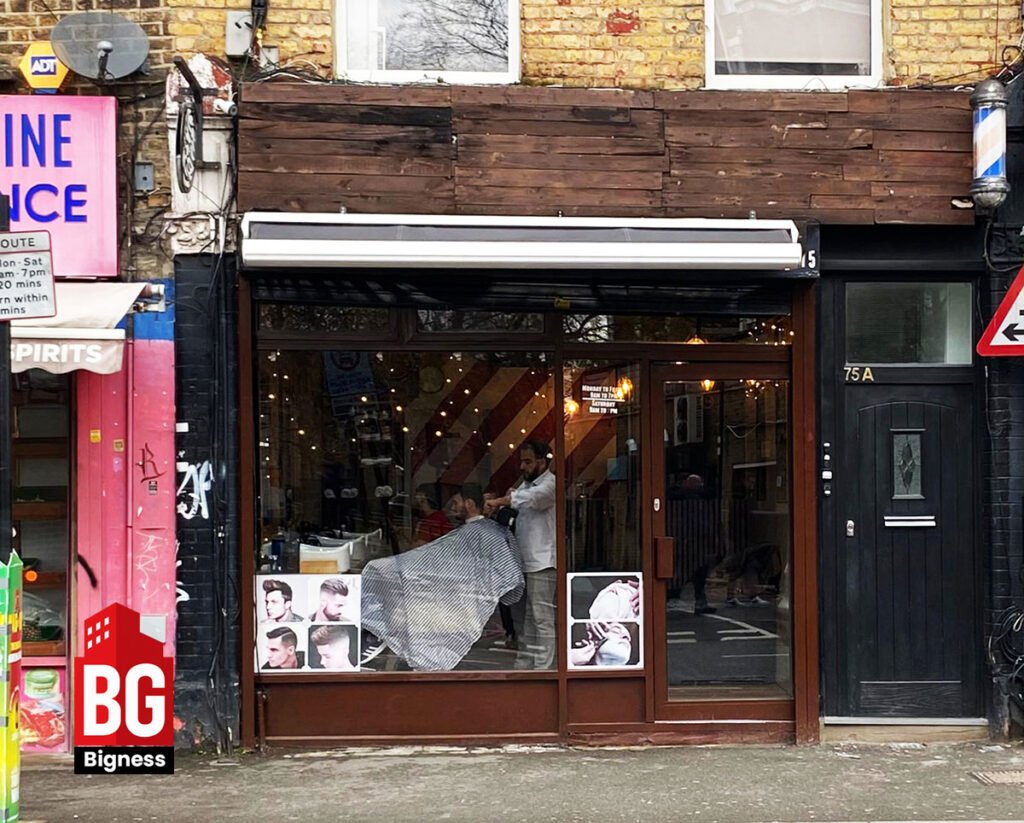
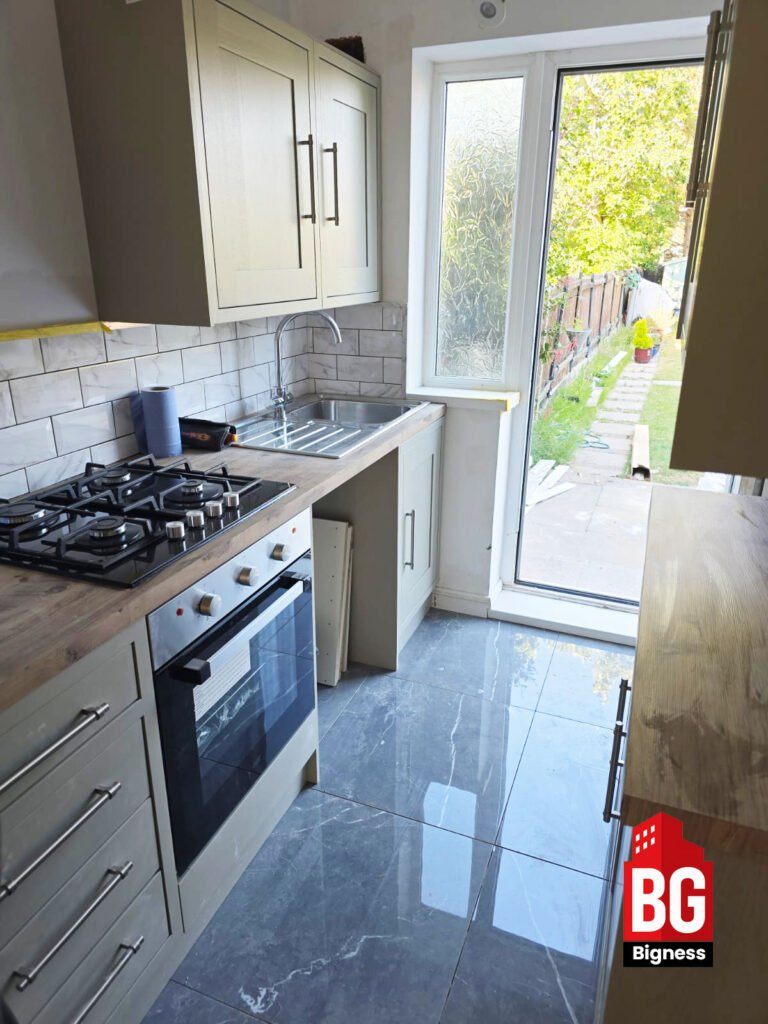
Explore Bigness projects involving refurbishment, retrofit, building-fabric improvements, system replacement and planned upgrades across residential and commercial property.
Each project shows how improvement needs are assessed, prioritised, coordinated and delivered with clearer control over scope, specialists, programme and completion.



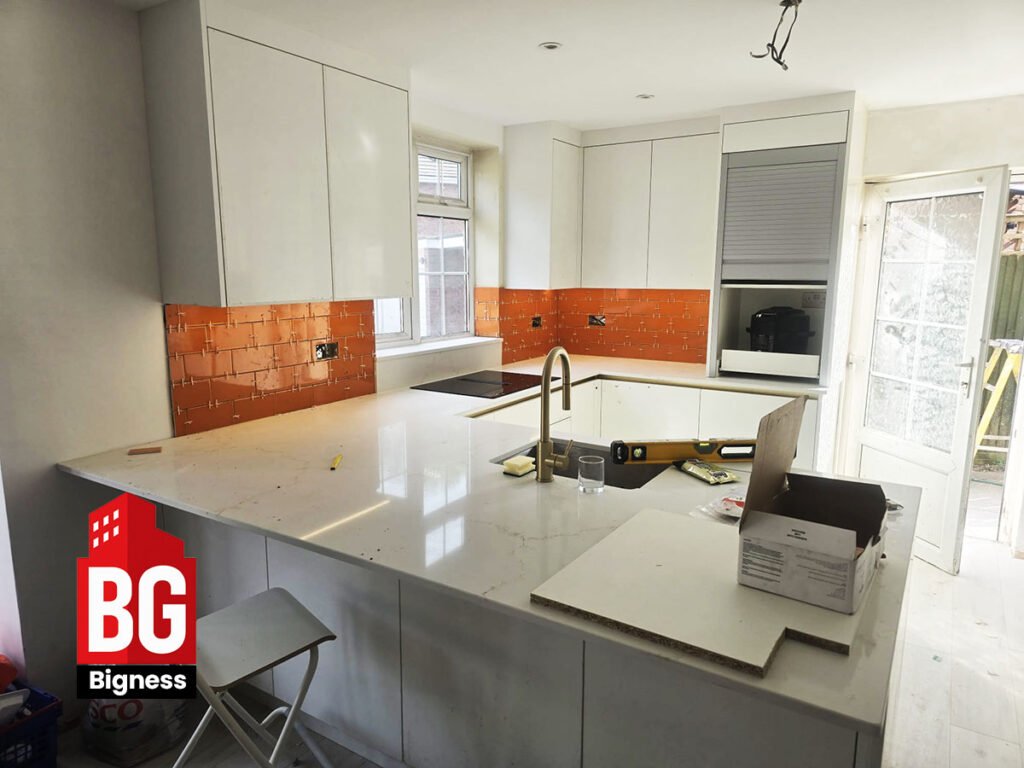
Property Refurbishment Services in London by Borough
At Bigness, we provide professional property refurbishment services across every London borough. Whether you’re renovating a flat, modernising a family home, or upgrading a commercial property, our expert team is here to deliver high-quality results. Explore the areas we cover below to find refurbishment services near you.
Barking and Dagenham / Barnet / Bexley / Brent / Bromley / Camden / Croydon / Ealing / Enfield / Greenwich / Hackney / Hammersmith and Fulham / Haringey / Harrow / Havering / Hillingdon / Hounslow / Islington / Kensington and Chelsea / Kingston upon Thames / Lambeth / Lewisham / Merton / Newham / Redbridge / Richmond upon Thames / Southwark / Sutton / Tower Hamlets / Waltham Forest / Wandsworth / Westminster
Practical thinking for better-managed buildings.
Guidance, technical insight and practical perspectives on compliance, maintenance, building performance and long-term improvement.


Turn building improvement needs into a clear plan.
Whether you are planning refurbishment, retrofit, building-fabric improvements, system replacement or phased capital works, Bigness can help define priorities and coordinate delivery.
One point of coordination for refurbishment, retrofit, specialist contractors, building upgrades and planned improvement programmes.